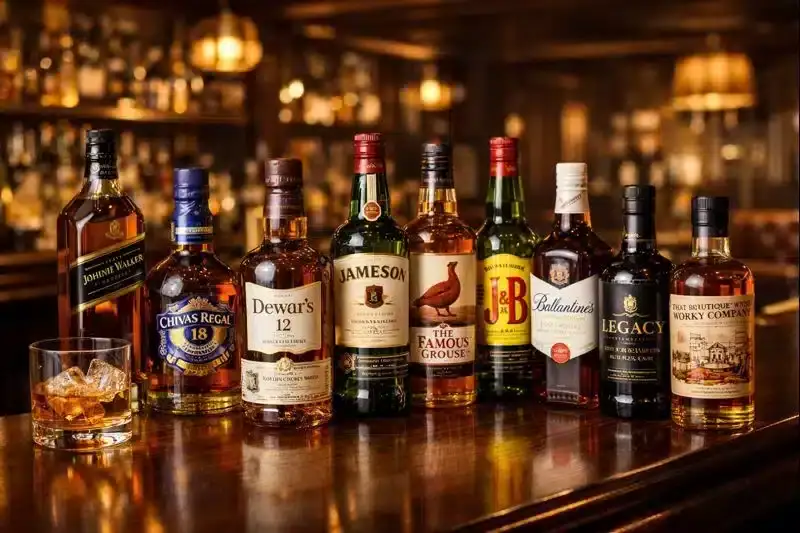
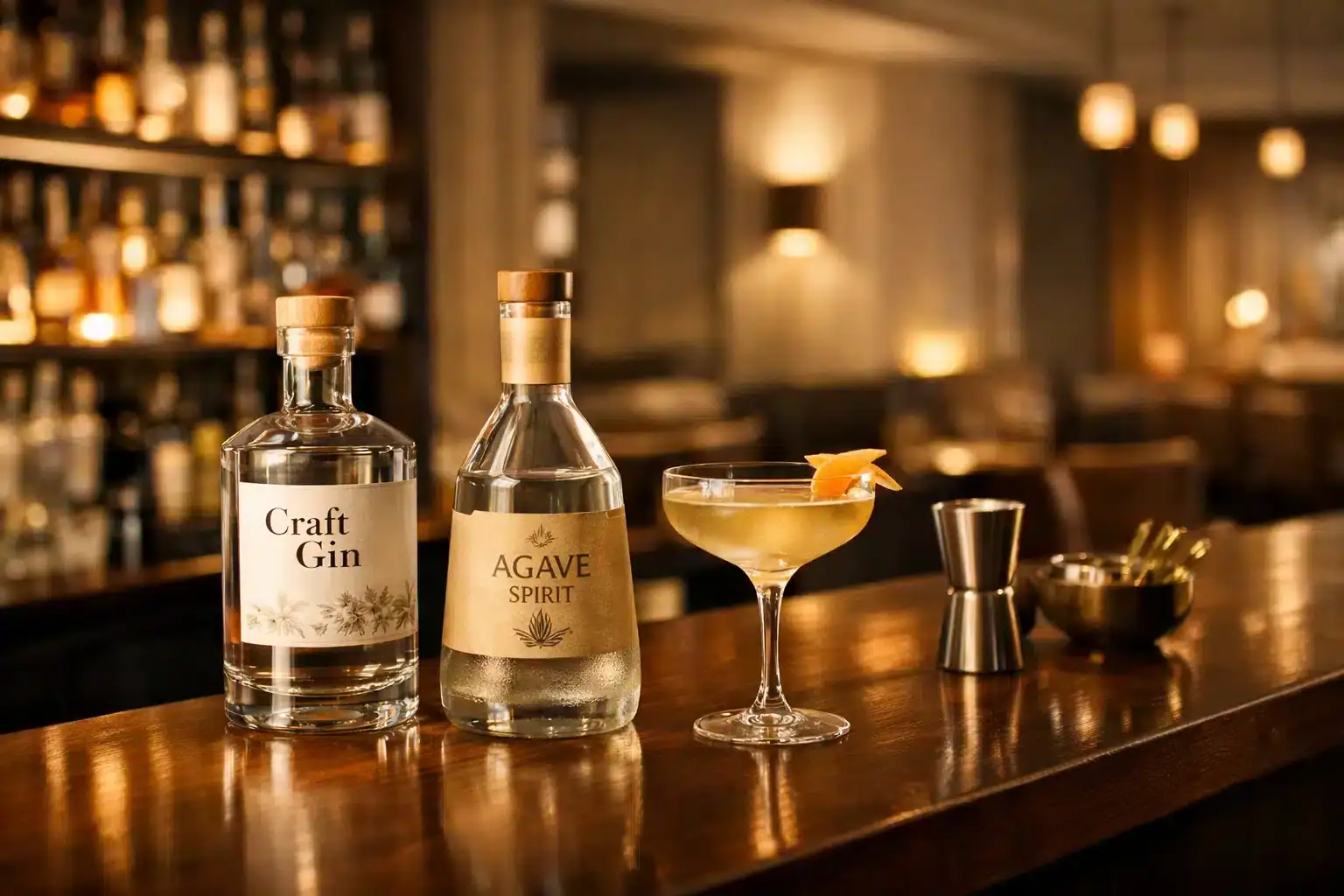

Craft spirits and cocktails representing India’s evolving drinking culture in 2026.
India’s drinking culture is entering a defining period of change. With nearly 23 million people reaching legal drinking age each year, the nation’s relationship with alcohol is transitioning from volume-driven consumption to more responsible, premium, and experience-focused choices. By 2026, the Indian market is expected to showcase a drinking identity rooted in craftsmanship, cultural confidence, and conscious engagement. Rather than imitating global markets, India is beginning to create its own standards and direction.
A New Era of Cocktail Culture
Cocktails across India are shifting from novelty-driven experimentation to intentional, culinary-focused creations. Bartenders are designing beverages using balance and clarity, layering sweet, sour, bitter, salty, umami, and spice notes with precision. Ingredients such as kokum, amla, gondhoraj lemon, Himalayan herbs, and locally grown botanicals are being used to build identity and regional significance. Patrons are showing preference for clarity and storytelling over shock value or randomness. This shift illustrates a maturing palate and a demand for cocktails that feel purposeful and relatable.
Agave Spirits Lead Premium Growth
Agave spirits are now positioned as the fastest-growing premium category in India. While gin dominated recent years in the craft sector, agave is emerging as the category poised for sustained influence. Triple-digit growth in demand demonstrates how consumers are gravitating toward spirits that offer versatility for sipping or mixing, along with a sense of terroir and artisanal credibility. Sustainability and mindful sourcing are core to the appeal, reinforcing a broader trend in India where consumers are willing to invest in authenticity over volume. Agave spirits are establishing themselves as a long-term category, not a trend.
Craft Spirits Diversify as Gin Stabilizes and Rum Reawakens
The Indian craft spirits space is broadening. Gin has moved into a phase of stable maturity as drinkers develop an understanding of botanicals, flavor styles, and distillation philosophies. Growth has not stopped, but it is more measured and rooted in brand identity rather than novelty. Rum, however, is undergoing a revival. New distilleries are exploring jaggery-based rum, agricole-inspired approaches, and rum designed for sipping. Bartenders are giving rum a more prominent place in cocktail design and menu creation. This represents a cultural shift where craft spirits are no longer dominated by one category.
Beer Market Growth Reflects an Evolving Palate
India’s beer industry was valued at ₹444.6 billion in 2024 and may rise to ₹802.5 billion by 2033. By 2030, annual consumption could reach nearly 596 million cases. Market expansion is driven by a young consumer base, because of growing drinking culture, rising urbanisation, and higher disposable income. The most notable evolution is qualitative, not quantitative. Premium and craft beers are gaining traction at a faster rate than mass-market lagers. Taprooms are expanding to national distribution, and brewing equipment manufactured domestically is now meeting global standards. Local grains, including rice and millet, are being used to produce regionally adapted lagers. India is entering a period commonly referred to as a lager renaissance rooted in improved standards and style diversity.
Bar Culture Reaches Beyond Metros
The growth of contemporary bar culture is no longer restricted to Tier-1 cities. Tier-2 and Tier-3 cities such as Indore, Jaipur, Surat, Lucknow, Coimbatore, and Udaipur are witnessing the emergence of spaces that prioritize originality, chef-led beverage design, and storytelling. Guests in these regions expect the same level of innovation and professionalism previously found only in metro markets. This demonstrates a nationwide rise in consumer awareness and aspiration. Geography is no longer a limiting factor in the pursuit of premium drinking culture experiences.
Low-ABV Beverages and Moderation Shape Consumer Behavior
Moderation is becoming a lifestyle choice for Indian consumers. The rise of low-alcohol beverages in indian drinking culture, including spritz cocktails, fortified wine-based drinks, botanical aperitifs, vermouth, and low-ABV beers, is reshaping beverage menus. Consumers are opting for beverages in the 10 to 18 percent ABV range because it allows them to maintain social engagement and wellness without heavy intoxication. This shift directly supports homegrown brands that operate with transparency, authenticity, and accessible price structures. Moderation is now linked to both health consciousness and social identity.
India’s drinking culture in 2026 is defined by clarity, quality, and confidence. Cocktails are rooted in culinary integrity, agave spirits are establishing a new premium benchmark, craft spirits are diversifying beyond gin, beer is entering a quality-led expansion, bar culture is becoming national rather than metropolitan, and moderation is driving a new definition of responsible enjoyment. India is not simply participating in a global evolution in drinking culture; it is contributing to it in its own voice. The year 2026 represents the moment India begins to set trends instead of follow them.
Frequently Asked Questions
What is the leading drinking culture alcohol trend in India for 2026?
Agave spirits are emerging as the most influential premium category, driven by interest in craftsmanship, sustainability, and versatility.
Why are low-ABV beverages becoming mainstream?
They support consumer goals of moderation, wellness, and longer social engagement without heavy intoxication.
Is gin still growing in India?
Yes, but the category has stabilized. The market is driven by identity, regional authenticity, and consistency rather than short-term hype.
Which non-metro cities are influencing bar culture?
Key markets include Indore, Jaipur, Udaipur, Surat, Lucknow, and Coimbatore where premium bar and cocktail programs are expanding.
Will agave spirits replace gin?
Not completely, but agave is expected to stand beside gin as one of the most important premium spirits categories in India.