
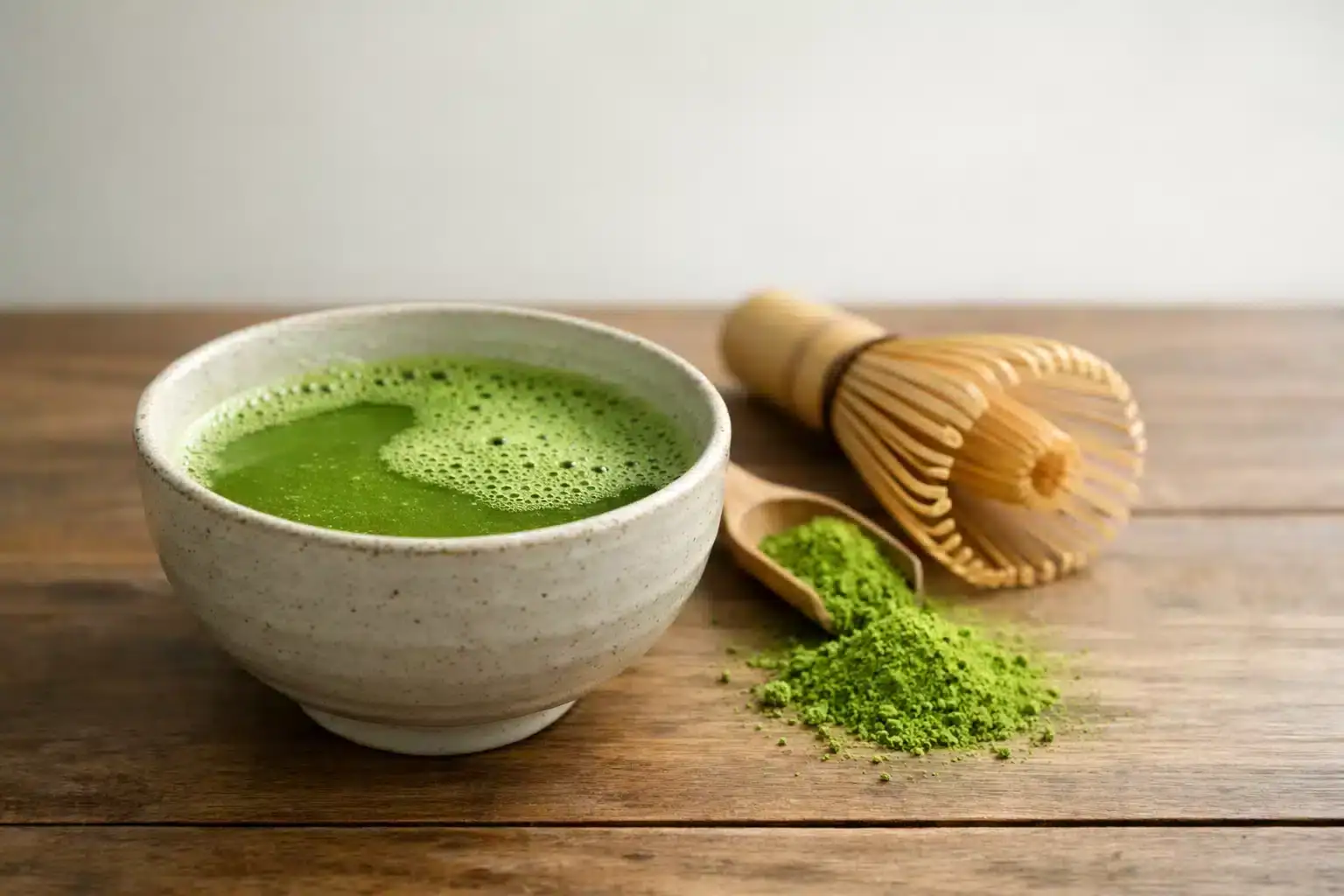

Matcha is no longer a niche tea reserved for traditional ceremonies. From creamy lattes and desserts to flavored blends and even savory recipes, matcha has become a global obsession. As more people embrace the trend, drinking too much matcha has also entered the conversation. Its rise has been especially strong in the United States, where demand has surged dramatically in recent years, occasionally even leading to supply shortages.
But as matcha continues to dominate café menus and home kitchens, a growing number of health conversations are emerging. While it is often praised as a superfood, drinking too much matcha may come with unintended consequences—particularly when it comes to iron absorption.
Why Matcha Is So Potent
Unlike regular green tea, matcha is made by grinding shade-grown tea leaves into a fine powder. Instead of steeping leaves and discarding them, you consume the entire leaf. This makes far more concentrated in nutrients and compounds than traditional green tea.
In fact, one cup of matcha can deliver a nutritional profile similar to multiple cups of brewed green tea. This concentration is what gives matcha its vibrant color, earthy flavor, and high antioxidant content—but it is also the reason moderation matters.
Matcha and Iron Absorption
One of the key concerns associated with drinking too much matcha lies in its impact on iron absorption. Matcha contains tannins and polyphenols, natural compounds also found in green tea. These compounds can bind to non-heme iron, the form of iron found in plant-based foods, making it harder for the body to absorb.
Non-heme iron accounts for the majority of iron intake for people following plant-forward or vegetarian diets. When matcha is consumed in excess or alongside iron-rich meals, it may reduce how much iron the body is able to use.
Caffeine adds another layer to this issue. High caffeine intake has been shown to further reduce the bioavailability of non-heme iron. For those who enjoy matcha lattes with dairy milk, calcium can also interfere with iron absorption, compounding the effect.
How Much Matcha Is Too Much?
Despite alarming stories on social media, experts agree that moderation is key. Having one cup of matcha per day is generally considered safe for most people. Health professionals note that problems typically arise only with heavy consumption—often several cups daily over a prolonged period.
In practical terms, drinking too much matcha means consistently consuming large quantities, not the occasional latte or ceremonial cup. Even individuals with low iron levels do not necessarily need to eliminate matcha altogether.
How to Enjoy Matcha Safely
If you love matcha and want to keep it in your routine, timing and balance can make a difference. Drinking too much matcha between meals rather than alongside them can reduce its interference with iron absorption from food.
Pairing meals with iron-rich plant foods such as lentils, beans, spinach, and fortified grains is also beneficial. Adding vitamin C–rich foods like citrus fruits, berries, or bell peppers can further enhance iron absorption and offset potential inhibition.
Matcha remains a nutrient-rich beverage with plenty of benefits, from antioxidants to gentle energy support. However, drinking too much matcha serves as a reminder that even healthy habits can become counterproductive when taken to extremes.
Enjoying matcha mindfully—without overconsumption—allows you to appreciate its flavor and benefits without compromising your nutritional balance. As with most things in food and drink, moderation is what turns a trend into a sustainable pleasure.
Frequently Asked Questions (FAQs)
Is drinking matcha every day safe?
Yes, drinking matcha daily is generally safe when consumed in moderation. One cup per day is unlikely to cause any health issues for most people.
Can drinking too much matcha cause iron deficiency?
Drinking too much matcha may interfere with the absorption of non-heme iron, especially when consumed in large quantities or alongside iron-rich meals. Over time, this can contribute to low iron levels in some individuals.
Who should be cautious about consuming matcha?
People with iron deficiency, anemia, or those following plant-based diets should be mindful of excessive matcha intake and avoid drinking it during meals.
Does matcha affect iron absorption more than coffee?
Matcha contains tannins and polyphenols that can inhibit iron absorption, similar to coffee. However, because matcha involves consuming whole tea leaves, its effect can be stronger when consumed in excess.
How can I reduce matcha’s impact on iron absorption?
Drink matcha between meals, limit intake to one or two cups per day, and include vitamin C–rich foods in your diet to enhance iron absorption.