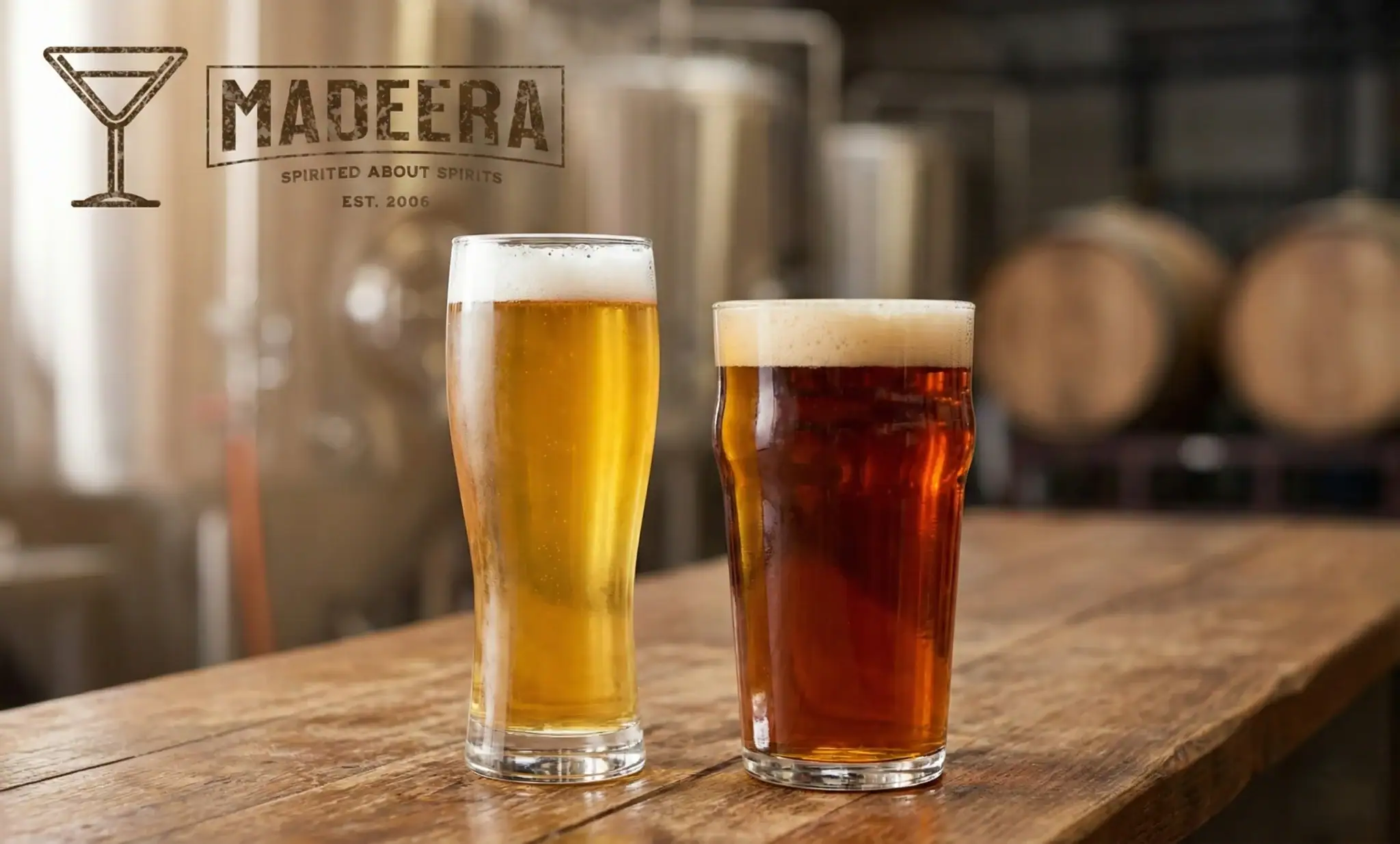

Beer is one of the oldest and most widely consumed alcoholic beverages in the world. Despite its popularity, many drinkers are still confused about one fundamental distinction: lager vs ale. While both are types of beer made from similar ingredients, their brewing methods, flavors, and drinking experiences are quite different.
Understanding the difference between lager and ale can help you choose the right beer for your taste, mood, and occasion. Whether you prefer something crisp and refreshing or bold and complex, knowing how these beers differ makes drinking more enjoyable.
What Is Lager?
Lager is a type of beer brewed using bottom-fermenting yeast at low temperatures. This slow and controlled fermentation process produces a clean, smooth, and crisp flavor profile. Lagers are usually fermented and conditioned over longer periods, which helps remove harsh notes.
Most mass-market beers fall into the lager category because of their light taste and wide appeal. They are easy to drink, refreshing, and often served cold, making them popular in warm climates and social settings.
What Is Ale?
Ale is brewed using top-fermenting yeast at warmer temperatures. This process allows the yeast to work faster, creating stronger flavors and aromas. Ales are typically more expressive, with fruity, spicy, or malty characteristics.
Because ale fermentation happens more quickly, these beers often retain more yeast-driven flavors. This is why ales tend to taste richer and more complex than lagers.
Lager vs Ale: Brewing Process Differences
The most important distinction in the lager vs ale debate lies in fermentation. Lager yeast ferments slowly at cooler temperatures and settles at the bottom of the tank. Ale yeast ferments faster at warmer temperatures and rises to the top.
These temperature differences influence everything from taste to clarity. Lagers are usually clear and crisp, while ales can appear slightly cloudy and more aromatic.
Taste and Flavor Comparison
When comparing lager vs ale, taste is where most people notice the difference immediately. Lagers are known for their mild, clean, and refreshing flavors. They often have subtle notes of grain, bread, or light sweetness.
Ales, on the other hand, are bolder. Depending on the style, ales can taste fruity, nutty, caramel-like, or even bitter. This variety makes ales popular among craft beer enthusiasts who enjoy experimenting with flavors.
Alcohol Content: Lager vs Ale
Alcohol content varies widely in both styles, but ales often have slightly higher alcohol levels than lagers. This is not a rule, but stronger ales are more common than strong lagers.
Lagers usually fall into a moderate alcohol range, making them suitable for extended drinking sessions. Ales can range from light to very strong, depending on the brewing style.
Which One Is Better for Beginners?
For new beer drinkers, lagers are generally easier to start with. Their smooth texture and mild flavor make them less intimidating. Many people begin their beer journey with lagers before exploring ales.
However, those who enjoy bold flavors may prefer ales even as beginners. The lager vs ale choice ultimately depends on personal taste rather than experience level.
Food Pairing Differences
Lagers pair well with light foods such as grilled meats, snacks, and spicy dishes. Their crispness helps cleanse the palate.
Ales pair better with rich and hearty foods. Their stronger flavors complement cheeses, roasted meats, and savory dishes.
The debate of lager vs ale is not about which beer is superior, but which suits your taste. Lagers offer refreshment and simplicity, while ales deliver depth and character. Understanding the difference allows you to choose wisely and enjoy beer the way it was meant to be enjoyed—responsibly and with appreciation.
Frequently Asked Questions (FAQs)
Is lager stronger than ale?
Not always. Ales often have higher alcohol content, but strength varies by style.
Which beer is smoother, lager or ale?
Lagers are generally smoother and cleaner in taste.
Do ales taste bitter?
Some ales can be bitter, but many are sweet, fruity, or malty.
Is lager better for hot weather?
Yes, lagers are more refreshing and ideal for warm conditions.
Can beginners drink ale?
Yes, beginners can enjoy ale if they prefer bold and complex flavors.